 Blessy S
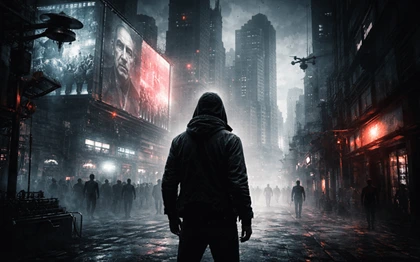
 Dystopian literature explores imagined societies where oppression, control, and dehumanization dominate everyday life. These fictional worlds may differ in setting and tone, yet they repeatedly rely on familiar character patterns to convey complex ideas efficiently. These recurring patterns, known as dystopian archetypes, allow authors to communicate warnings about power, technology, conformity, and resistance.
By recognizing these archetypes, readers gain deeper insight into how dystopian narratives critique real-world social and political systems. Ultimately, dystopian archetypes transform fictional futures into powerful reflections of human fears and moral dilemmas.
What Are Dystopian Archetypes?
Before examining specific character types, it is important to understand what dystopian archetypes actually are. Archetypes are universal character models that recur across literature, myths, and storytelling traditions.
- In dystopian fiction, these archetypes are adapted to emphasise conflict between the individual and an oppressive system. Unlike stereotypes, dystopian archetypes are flexible and often evolve throughout a story.
- Dystopian archetypes function as narrative anchors, helping readers navigate unfamiliar worlds while focusing on core themes.
- They also allow authors to explore ethical questions, such as freedom versus security or individuality versus conformity, without lengthy exposition.
Over time, these archetypes have evolved from rigid figures in classic dystopias to more nuanced and morally complex characters in modern works.
1. The Oppressive Authority
Every dystopian society requires a force that enforces control, and this role is fulfilled by the oppressive authority. This archetype usually takes the form of a totalitarian government, a corporate regime, or a rigid ideological system. The oppressive authority establishes laws that suppress freedom while justifying its actions as necessary for stability or survival.
- In 1984 by George Orwell, Big Brother represents an omnipresent authoritarian force that manipulates truth and monitors citizens constantly.
- In The Handmaid’s Tale by Margaret Atwood, the theocratic regime of Gilead controls women through religious doctrine and fear.
These examples show how oppressive authorities embody unchecked power and serve as a warning against authoritarianism in real-world societies.
2. The Rebellious Protagonist
The dystopian protagonist is one of the most recognisable and compelling dystopian archetypes. This character begins as a compliant or unaware member of society but gradually becomes conscious of the system’s injustices. Their journey from obedience to resistance drives the narrative forward and emotionalises the larger societal conflict.
- Winston Smith in 1984 initially accepts Party rule but slowly rebels through forbidden love and independent thought.
- Katniss Everdeen in The Hunger Games becomes a reluctant symbol of rebellion after witnessing systemic cruelty.
The dystopian protagonist often faces internal conflict, fear, and moral uncertainty, making them deeply human and relatable.
3. The Enforcer or Loyal Agent
Another crucial dystopian archetype is the enforcer, a character who upholds the system’s laws and punishes dissent. These figures are often indoctrinated to believe they are protecting order or justice. Through them, dystopian fiction illustrates how ordinary individuals can become instruments of oppression.
- In 1984, the Thought Police represent absolute loyalty to the regime and the eradication of independent thought.
- The Peacekeepers in The Hunger Games enforce Capitol rule through intimidation and violence.
This archetype highlights how authoritarian systems survive by turning citizens into agents of control.
4. The Manipulated Citizenry
Dystopian worlds are rarely sustained by force alone; they also rely on the passive acceptance of the masses. The manipulated citizenry archetype represents populations conditioned to obey through propaganda, fear, or distraction. These citizens may not fully understand their oppression or may choose comfort over freedom.
- In Fahrenheit 451, society is numbed by constant entertainment and superficial media.
- In The Hunger Games, Capitol citizens treat televised death as a spectacle.
This archetype underscores the danger of apathy and shows how silence and compliance enable tyranny.
5. The False Utopia
The false utopia is a deceptively perfect society that hides its cruelty beneath harmony and order. This dystopian archetype is particularly effective because it challenges the idea that comfort equals happiness. These societies often sacrifice individuality, emotion, or morality for stability.
- In Brave New World by Aldous Huxley, citizens are genetically engineered and drugged to maintain happiness, eliminating free will.
- The Giver portrays a community free of pain but stripped of memory and emotion.
The false utopia archetype exposes the ethical cost of enforced perfection.
Recommended: Gothic Science Fiction Books: Where Dark Romanticism Meets Futuristic Imagination
6. The Technological Overlord
Technology frequently serves as a central mechanism of control in dystopian fiction. The technological overlord archetype represents systems where machines, surveillance, or artificial intelligence dominate human life. This archetype reflects modern anxieties about technological dependence and loss of privacy.
- In Black Mirror, advanced technologies amplify human flaws and moral failures.
- Fahrenheit 451 presents media technology as a tool for intellectual suppression.
These narratives warn that progress without ethical responsibility can lead to dehumanisation.
7. The Outcast or Marginalized Figure
Outcasts play a vital role in revealing the flaws of dystopian societies. This archetype includes individuals excluded due to nonconformity, disability, or ideological differences. Their marginalisation exposes the system’s intolerance and injustice.
- In The Handmaid’s Tale, Unwomen are cast out for failing to conform to gender expectations.
- In Divergent, those who do not fit into faction categories are labelled threats.
The outcast archetype emphasises the human cost of rigid social structures.
8. The Catalyst for Change
While the dystopian protagonist often leads resistance, change is frequently triggered by a catalyst. This archetype may be a person, event, or forbidden object that sparks awareness and rebellion. Catalysts often suffer or sacrifice themselves to awaken others.
- Rue’s death in The Hunger Games becomes a turning point that ignites rebellion across districts.
- In Fahrenheit 451, forbidden books act as catalysts by preserving suppressed knowledge.
This archetype reinforces the idea that change often begins with loss.
Dystopian Archetypes in Young Adult vs Adult Fiction
Dystopian archetypes function differently depending on the target audience.
- In Young Adult dystopian fiction, protagonists are often adolescents discovering identity and autonomy. The narrative emphasizes hope, resilience, and personal choice.
- Adult dystopian fiction tends to portray darker outcomes and moral ambiguity. Characters like Winston Smith fail to overthrow the system, reinforcing bleak realism.
These contrasts show how dystopian archetypes adapt to different thematic goals.
Why Dystopian Archetypes Still Resonate Today?
The continued relevance of dystopian archetypes lies in their connection to real-world fears. Surveillance, climate change, political extremism, and technological overreach mirror dystopian realities. Readers recognize these archetypes because they reflect ongoing societal anxieties.
The dystopian protagonist, in particular, embodies the universal desire for freedom and truth. As long as societies struggle with power and inequality, dystopian archetypes will remain meaningful and compelling.
Breaking and Subverting Dystopian Archetypes
Modern authors increasingly challenge traditional dystopian archetypes by subverting expectations. Protagonists may become morally compromised, or oppressive systems may appear benevolent. This complexity reflects a more nuanced understanding of power.
Novels like Never Let Me Go blur the line between victim and acceptance, while Station Eleven redefines survival without centralized tyranny. These innovations keep dystopian literature fresh and intellectually engaging.
Frequently Asked Questions (FAQs)
Q1. What are dystopian archetypes in literature?
Ans. Dystopian archetypes are recurring character types, power structures, and social roles found in dystopian fiction. They help authors explore themes such as oppression, resistance, surveillance, and loss of individuality. These archetypes allow readers to quickly understand complex societies and moral conflicts.
Q2. Who is a dystopian protagonist?
Ans. A dystopian protagonist is the central character who gradually becomes aware of the injustices within a dystopian society. Often starting as compliant or naïve, the protagonist evolves into a figure of resistance or moral questioning. Characters like Winston Smith and Katniss Everdeen exemplify this archetype.
Q3. Why do dystopian stories rely heavily on archetypes?
Ans. Dystopian narratives often involve complex worlds and political systems. Archetypes provide a familiar framework that helps readers focus on deeper themes rather than getting lost in world-building. They also make social critiques more universal and timeless.
Conclusion
Dystopian archetypes serve as the backbone of dystopian storytelling, shaping narratives that warn, provoke, and challenge readers. From the dystopian protagonist to the oppressive authority, these figures expose the dangers of unchecked power and passive obedience.
By understanding dystopian archetypes, readers gain deeper insight into how fictional futures critique real-world societies. Ultimately, dystopian literature reminds us that the choices we make today shape the world of tomorrow.
Recommended: The Anti-Novel: A Radical Break from Traditional Fiction